
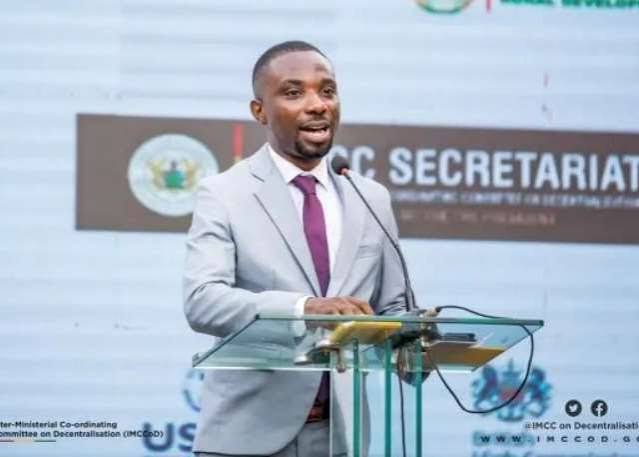
Aspiring New Patriotic Party (NPP) Communications Director, Dennis Miracles Aboagye, has challenged the government’s assessment of Ghana’s economy, arguing that the cost of living has worsened despite claims of strong macroeconomic recovery.
According to Mr Aboagye, Ghanaians are facing increased hardship, with the prices of essential services and commodities rising since the National Democratic Congress (NDC) assumed office following the 2024 general elections.
In a Facebook post, he maintained that the cost of electricity, water, transportation, school fees and food has all increased, while unemployment has also worsened, making life more difficult for ordinary citizens.
“The fact is that, after 18 months of beating about the bush and merry-go-round, our economy is marking time and the cost of living is higher than this clueless NDC Government took it,” he wrote.
He further predicted that Ghanaians would vote the NDC out of office in the 2028 elections and return the NPP to power under its 2028 presidential candidate, Dr Mahamudu Bawumia.
“In 2028, the country says, thank you NDC, now make way for Dr. Bawumia to also come show the country what he’s got. For now, electricity cost is higher, water is higher, transport higher, fees are higher, unemployment is higher, food prices are higher and the country is harder than it was 18 months ago. We just wasted the country’s time,” he stated.
Mr Aboagye’s comments come shortly after Finance Minister Dr Cassiel Ato Forson presented the 2026 Mid-Year Budget Review to Parliament, where he painted an optimistic picture of the country’s economic performance.
The Finance Minister said the implementation of the 2026 Budget Statement remains firmly on course, stressing that Ghana has met its fiscal targets for the first half of the year and is on track to achieve its end-year fiscal deficit target of 1.5 per cent of Gross Domestic Product (GDP).
He also highlighted the Bank of Ghana’s reduction of the policy rate to 14 per cent in July, describing it as a major boost for businesses and investors.
“Lower policy rate is creating room for investors to expand,” Dr Forson told Parliament, adding that lower borrowing costs would support business growth and investment.
The Finance Minister further noted that the Ghana cedi has stabilised, investor confidence has returned, and key macroeconomic indicators have recorded significant improvements due to what he described as prudent economic management.
“The 2026 budget is firmly on track… Ghana has achieved its targets for the first half of the year 2026, and is on track to achieve our end-year target of 1.5% of GDP,” he said.
He added that confidence in the economy has been restored and attributed the recovery to disciplined fiscal management by the government.


 Communications Director, Dennis Miracles Aboagye, has challenged the government’s assessment of Ghana’s economy, arguing that the cost of living has worsened despite claims of strong macroeconomic recovery.)