
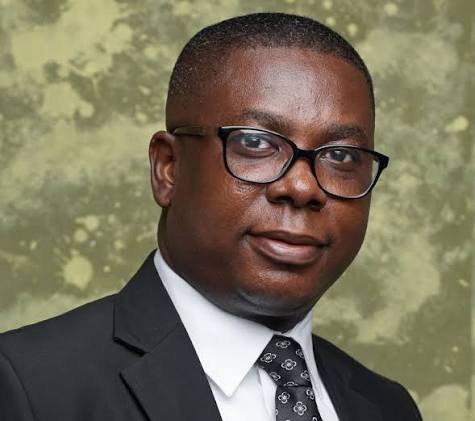
The International Monetary Fund (IMF) has urged Ghana to move beyond macroeconomic stabilisation and pursue deeper structural reforms to secure long-term economic growth and prosperity, according to an economic analysis released by Member of Parliament for Tano North, Dr Gideon Boako.
In the maiden edition of The Gideon Boako Economic Digest (#001/26), the Deputy Ranking Member on Parliament’s Finance Committee highlighted key findings from the IMF’s latest assessment of Ghana’s economy, describing it as a balanced review that acknowledges recent economic gains while warning of persistent structural vulnerabilities.
According to the analysis, the IMF commended Ghana for making significant progress in restoring macroeconomic stability through improvements in inflation management, fiscal consolidation and exchange-rate performance.
However, the Fund cautioned that stabilisation alone does not amount to economic transformation and that sustainable development must ultimately translate into improved living standards and economic opportunities for citizens.
“The ultimate test of economic policy is not the strength of the statistics it produces, but the opportunities it creates, the dignity it protects, and the prosperity it delivers to households,” the digest noted.
One of the IMF’s key concerns is Ghana’s increasing dependence on gold exports.
The report indicates that more than half of Ghana’s exports are now derived from gold, making the economy highly vulnerable to fluctuations in international commodity prices.
While favourable global gold prices have contributed to improvements in Ghana’s external sector performance, the IMF warned that overreliance on a single commodity exposes the country to significant risks if market conditions change.
The Fund therefore called for greater economic diversification to reduce vulnerability and strengthen long-term resilience.
The IMF also raised concerns about the extent to which Ghana is benefiting from its mineral wealth.
Despite being Africa’s largest gold producer, the report noted that government revenues from the mining sector remain relatively modest. It further highlighted weaknesses in fiscal reporting and transparency that limit public accountability regarding the management of mineral resources.
According to the assessment, Ghana’s natural resource wealth is yet to generate its full potential benefit for the broader economy.
The report identified illegal mining, commonly known as galamsey, as a major threat to Ghana’s economy.
The IMF estimated that billions of dollars worth of gold have escaped official trade records through smuggling activities, depriving the country of significant revenue and foreign exchange earnings.
Beyond the fiscal impact, the Fund warned that illegal mining is causing widespread environmental degradation, including the destruction of farmlands, pollution of water bodies and threats to cocoa production.
The report described these developments as macroeconomic risks that require urgent policy attention.
The IMF also examined Ghana’s Domestic Gold Purchase Programme, acknowledging its contribution to strengthening foreign exchange reserves and supporting exchange-rate stability.
However, the report revealed that the programme generated financial losses estimated at $1.7 billion, equivalent to 1.5 percent of Ghana’s Gross Domestic Product (GDP).
According to the analysis, the losses were attributed to factors including assay costs, fees paid to GoldBod and discounts applied to gold sold to exporters and other off-takers.
The responsibility for absorbing these losses has reportedly been transferred to GoldBod for onward management by the government from July 2026.
The IMF stressed the importance of transparency and prudent management of the associated fiscal risks.
According to Dr Boako’s analysis, the IMF’s central message is that Ghana’s next challenge is not merely maintaining stability but transforming that stability into a resilient, inclusive and diversified economy capable of creating jobs, increasing productivity and improving the quality of life for ordinary citizens.


 has urged Ghana to move beyond macroeconomic stabilisation and pursue deeper structural reforms to secure long-term)