
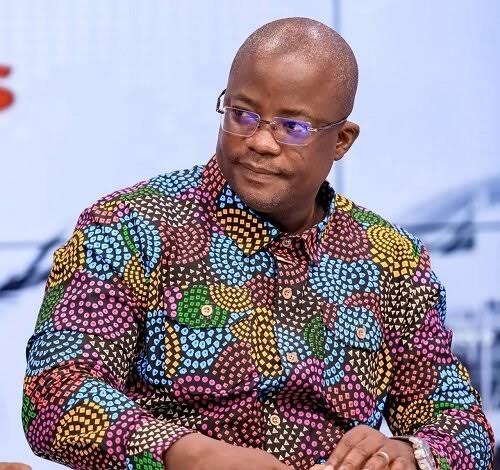
Senior Fellow at Africa Policy Lens (APL), Dr Joshua Zaato, has challenged the government to match its commemoration of the eight victims of the August 6 helicopter crash with decisive action against illegal mining, popularly known as galamsey.
Dr Zaato argued that honouring the victims should go beyond memorial services and monuments, insisting that greater efforts must be made to protect Ghana’s forests, rivers and other natural resources.
The eight victims died while travelling to the Ashanti Region on official duty, with their mission linked to efforts to address challenges facing the country, including illegal mining.
He further said the government’s response to galamsey should form a central part of how the victims are remembered.
Dr Zaato said the destruction caused by illegal mining has created serious threats to Ghana’s water bodies, forests and food security.
He argued that the victims were on their way to help find solutions to the galamsey crisis when they lost their lives.
“Galamsey is killing us. Our river bodies are being poisoned. Our water is being poisoned. These patriots were on their way to find solutions to end galamsey,” he said.
“If they were alive, we would probably be winning the galamsey war; our food would be less poisoned; our forests would have been healthier, but they died,” he added.
According to him, the most meaningful way to honour the victims would be to make tangible progress in addressing the issues they were working to resolve.
Dr Zaato questioned the government’s emphasis on memorial activities without what he considers corresponding action to protect Ghana’s natural resources.
“They died, and we dropped the ball. You are busy building monuments to their memories, busy holding church services to their memories. But what they died and fought to save the forests, you have ignored it. What have you done to save the forests?” he asked.
He insisted that the legacy of the victims should be measured by concrete action against illegal mining rather than ceremonies alone.
“Don’t sit here and say that you care more about the people who died when you don’t care about what killed them,” he said.


, Dr Joshua Zaato, has challenged the government to match its commemoration of the eight victims of the August 6 helicopter crash with)