
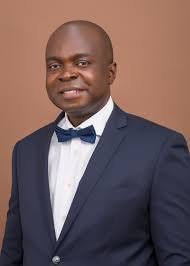
Member of Parliament for Manso Nkwanta, Tweneboa Kodua Fokuo, has criticized the government’s 2026 Mid-Year Budget Review, arguing that the positive economic indicators presented by Finance Minister Dr. Cassiel Ato Forson do not reflect the everyday realities faced by many Ghanaians.
The MP questioned the government’s claims of economic progress, insisting that the budget review should be measured by tangible improvements in employment and livelihoods rather than statistical achievements.
Fokuo said the Finance Minister must provide clear evidence of the number of jobs created under flagship initiatives such as the government’s proposed 24-hour economy and apprenticeship programmes.
According to him, with an estimated 5.3 million people making up Ghana’s employable workforce and about two million currently unemployed, the government owes Ghanaians a detailed account of how its policies are addressing unemployment.
“The Minister should tell us what he is doing structurally to support this economy, not just the free flow that we are seeing,” Fokuo stated.
The lawmaker also expressed concern over the sustainability of the economic growth figures outlined in the budget review, arguing that much of the reported growth is being driven by sectors that remain vulnerable to external shocks.
He singled out Ghana’s extractive industry, particularly gold, warning that heavy reliance on commodity exports could undermine long-term economic stability if global prices decline. He urged the government to focus on building a more diversified and productive economy capable of sustaining growth beyond fluctuations in the commodities market.
Fokuo’s remarks come after Dr. Cassiel Ato Forson presented the 2026 Mid-Year Budget Review, highlighting improvements in key macroeconomic indicators. The Finance Minister also disclosed that approximately 950,000 Ghanaians had exited multidimensional poverty between 2024 and 2025.
Dr. Forson attributed the decline in poverty to improved economic performance and gains in education, healthcare, employment, and overall living standards.
However, Fokuo maintained that such figures must be supported by measurable outcomes that demonstrate meaningful improvements in the lives of ordinary Ghanaians, particularly through sustainable job creation and stronger economic reforms.


