
The World Bank says 56.4% of Ghanaians remain in poverty despite recent economic growth, warning that widening spatial disparities and limited job creation are preventing the benefits of growth from reaching a large section of the population.
The World Bank made the disclosure at the launch of the 10th Ghana Economic Update, where it highlighted concerns over the disconnect between Ghana’s headline economic performance and the living conditions of many citizens.
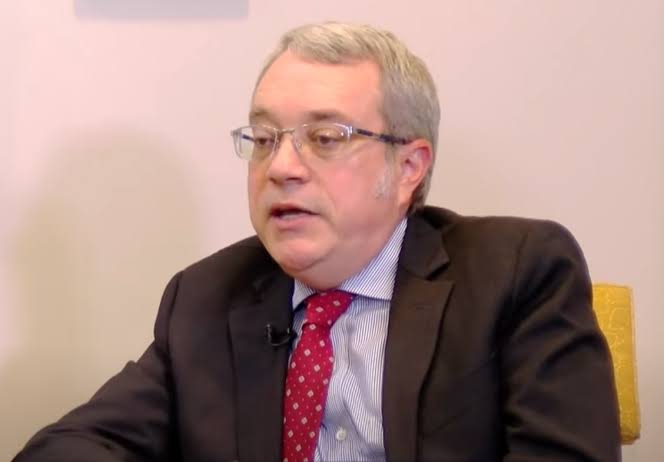
World Bank Division Director for Ghana, Liberia and Sierra Leone, Dr Robert Taliercio O’Brien, said the country’s economic expansion had yet to translate into broad-based improvements in living standards.
“56.4% of Ghanaians remain in poverty. And spatial disparities are widening,” Dr Taliercio O’Brien said.
According to the World Bank official, Ghana’s recent growth figures do not fully reflect the economic realities facing a significant portion of the population.
He said there remains a gap between the country’s headline growth and the experiences of ordinary Ghanaians, particularly those living in areas where economic opportunities and access to essential services remain limited.
The situation, he noted, points to a need for policies that ensure economic growth translates into tangible improvements in household incomes and living standards.
“…a disconnect between the headline growth that is yet to reach most of the population,” Dr Taliercio O’Brien remarked.
The World Bank also raised concerns about the structure of Ghana’s economic growth, noting that some of the sectors driving expansion have limited capacity to absorb workers.
This could become increasingly problematic as Ghana’s young population continues to enter the labour market over the coming years.
Dr Taliercio O’Brien warned that the economy’s current pattern of growth could struggle to generate enough productive employment to meet the needs of the growing working-age population.
“Growth is led by sectors with limited employment absorption relative to its growing young population entering the labour market in the next decade,” he said.
The World Bank official described the situation as a “structural imbalance” that requires urgent policy attention.
The concern is that sustained economic growth, without sufficient job creation and broader distribution of economic opportunities, could leave large sections of the population without meaningful improvements in their livelihoods.
The World Bank’s assessment therefore highlights the importance of creating stronger links between economic growth, employment generation and poverty reduction.


